Radiators are a dependable way to keep homes warm during cold weather. But when they stop working properly, the problem can quickly become a source of discomfort for everyone in the house. Understanding the top reasons your radiators aren’t working can help homeowners identify problems early and know when to call professionals.
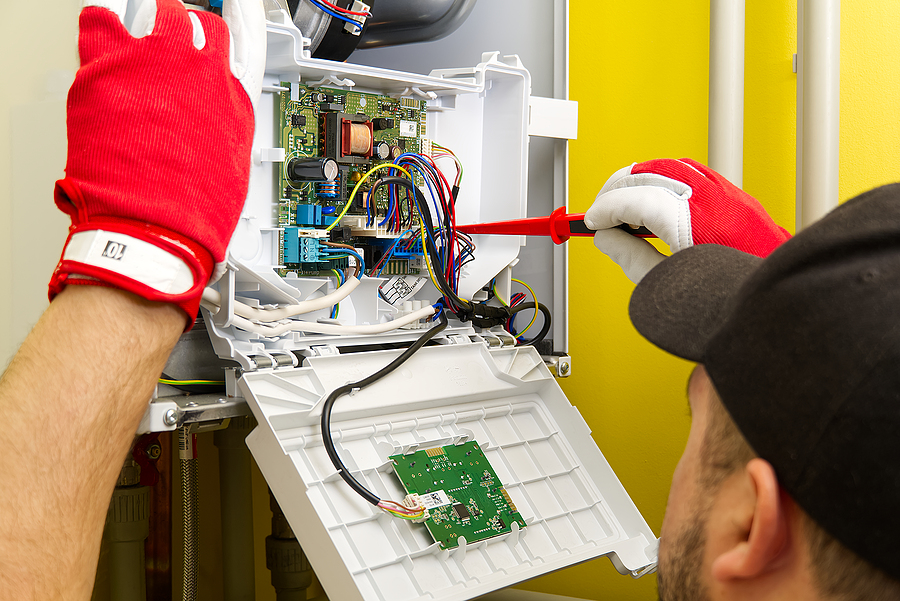
In many cases, radiator issues are connected to boiler problems, air trapped in the system, or worn components. Knowing what to look for can help you take the right steps before the issue becomes worse.
Below are some common causes of radiator problems and how professional boiler repair services can help restore warmth to your home.
Air Trapped in the System: One of the Top Reasons Your Radiators Aren’t Working
One of the most common heating issues happens when air gets trapped inside the radiator. When this happens, hot water cannot circulate properly through the unit. As a result, the radiator may feel warm at the bottom but cold at the top.
Bleeding the radiator usually solves this problem. The process releases trapped air so water can move freely again.
However, if the problem continues to come back, it may indicate a larger issue with the boiler or system pressure. In these cases, experienced technicians who provide boiler repair services can inspect the entire heating system and fix the underlying cause.
Low Boiler Pressure Affecting Heat Flow
Another common issue behind the top reasons your radiators aren’t working is low boiler pressure. Your heating system relies on proper pressure to push hot water through pipes and radiators.
When pressure drops too low, radiators may stop heating completely or only warm up partially. Pressure problems can occur due to leaks, worn valves, or recently bled radiators.
While some homeowners can adjust pressure themselves, recurring pressure loss usually requires professional inspection. A technician trained in boiler repair services can safely identify leaks or mechanical issues and restore proper system performance.
Sludge and Debris Build-Up Inside Radiators
Over time, heating systems can collect rust, dirt, and sludge inside pipes and radiators. This buildup restricts water flow and prevents radiators from heating evenly.
When sludge settles at the bottom of the radiator, it blocks hot water circulation. This can leave cold patches or prevent the radiator from heating entirely.
Flushing the system is often required to remove this buildup. Professional boiler repair services can perform a power flush that clears debris from the system and restores proper heating performance.
Routine maintenance also helps prevent sludge from forming again.
Faulty Thermostat or Heating Controls
Sometimes the issue is not with the radiator itself but with the thermostat or heating controls. If the thermostat fails to send the correct signals, the boiler may not turn on when needed.
Incorrect thermostat settings can also cause uneven heating throughout the home.
If your radiators stay cold even when the thermostat is turned up, the control system may need inspection. Checking the thermostat, timer, and heating zones can reveal the root of the problem.
Professional technicians providing boiler repair services can test these components and repair or replace faulty controls when necessary.
Circulation Pump Problems
Your heating system relies on a circulation pump to move hot water from the boiler to the radiators. If the pump fails or becomes weak, water may not reach the radiators efficiently.
This issue often leads to radiators that stay cold while the boiler itself seems to be running normally.
Pump problems are one of the lesser-known top reasons your radiators aren’t working, but they are important to address quickly. A damaged pump can cause further strain on the entire heating system.
An experienced heating technician can inspect the pump and determine whether it needs repair or replacement.
Stuck or Closed Radiator Valves
Radiator valves control the flow of hot water into each unit. If these valves become stuck or closed, water cannot enter the radiator, and it will remain cold.
This issue can occur after long periods of inactivity or due to mineral buildup inside the valve.
In many cases, gently loosening the valve can restore water flow. However, if the valve is damaged or leaking, replacement may be necessary.
Qualified technicians offering boiler repair services can replace faulty valves and ensure each radiator receives the correct water flow.
When to Call a Professional for Radiator and Boiler Issues
Some radiator issues can be fixed with simple adjustments. But recurring heating problems usually indicate deeper system issues.
Professional inspection helps identify the real cause before it turns into a larger repair. Technicians can evaluate the boiler, pipes, valves, and circulation system to ensure everything is working together correctly.
Understanding the top reasons your radiators aren’t working helps homeowners act quickly and avoid long periods without heat.
Regular maintenance and timely repairs can extend the life of your heating system and improve overall energy efficiency.

Leave a Reply