When heavy rain is in the forecast, the last thing any homeowner wants to discover is that the basement sump pump has stopped working. A sump pump can sit quietly for months and then suddenly become one of the most important pieces of equipment in your home.
Testing your sump pump before storm season is a simple precaution that can help prevent water damage, mold growth, ruined belongings, and expensive cleanup.
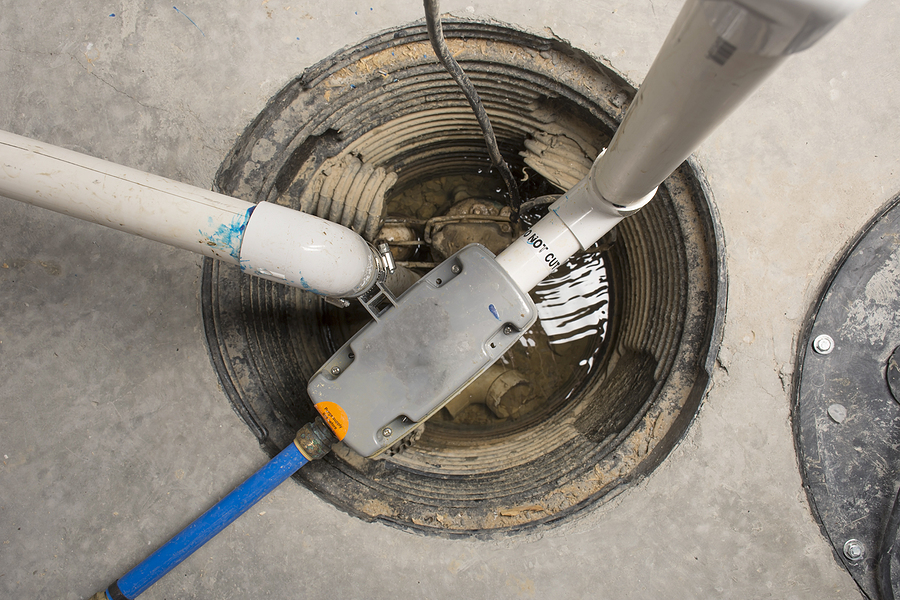
Even if your basement has stayed dry recently, that doesn’t necessarily mean the pump is ready for the next major storm. Mechanical parts can wear out, float switches can get stuck, discharge lines can clog, and electrical problems can prevent a pump from turning on when you need it most.
Why Sump Pump Testing Matters
A sump pump collects groundwater or drainage water in a sump pit and moves it safely away from your home. During prolonged or intense rainfall, water may enter the pit much faster than usual. That’s exactly when a weak, clogged, or malfunctioning pump is most likely to become a problem.
Regular testing confirms the pump starts automatically, removes water efficiently, and shuts off correctly. It also lets you spot problems such as loose connections, unusual noises, debris, or a blocked discharge pipe.
For homes with finished basements, stored belongings, furnaces, water heaters, or electrical equipment below grade, a dependable sump pump can be particularly important.
How to Test Your Basement Sump Pump
Testing most sump pumps is relatively simple.
Start by looking at the sump pit and the area around it. Make sure the pump is plugged into a working outlet and that the power cord looks in good condition.
Next, slowly pour a bucket of water into the sump pit. As the water level rises, the float switch should rise with it and activate the pump. The pump should begin removing water almost immediately.
Watch what happens as the pump operates. The water level should drop steadily, and the pump should shut itself off after the water falls far enough for the float switch to return to its normal position.
If the pump doesn’t start, first check whether the outlet has power and whether something is preventing the float from moving freely. If the pump has power but still won’t operate, have it inspected.
Listen for Warning Signs
Don’t just watch your sump pump during the test. Listen to it.
A properly functioning pump should operate relatively smoothly. Grinding, rattling, excessive vibration, or unusually loud humming can indicate worn components, debris in the pump, or a struggling motor.
Also pay attention to how quickly the pump removes water. A pump that runs continuously or takes much longer than expected may not be keeping up with the water entering the pit.
Repeated short cycling is another warning sign. If the pump turns on and off every few seconds, the float switch, check valve, or sump pit configuration may be the issue. Frequent cycling can also shorten the pump’s life.
Don’t Forget the Discharge Line
A sump pump can be working perfectly and still fail to protect your basement if the water has nowhere to go.
Inspect the visible portion of the discharge pipe for leaks, loose fittings, or damage. Outside the home, make sure the discharge point isn’t blocked by leaves, dirt, mulch, or other debris.
Water should also discharge far enough from the foundation that it doesn’t flow back toward the house and eventually return to the sump pit.
If your system has a check valve, it should prevent water in the discharge pipe from flowing backward into the pit after the pump shuts off. A faulty check valve can cause unnecessary cycling and place additional strain on the pump.
What Happens If the Power Goes Out?
Heavy storms don’t just bring rain. They can also cause power outages.
If your sump pump depends entirely on household electricity, it won’t provide much protection during an outage. That’s why many homeowners install a battery-powered backup sump pump.
A backup system can take over if the primary pump loses power or stops working. It’s especially worth considering if your home has experienced basement water problems in the past.
Already have a backup pump? Test it too. Backup batteries don’t last forever, and a system that hasn’t been checked recently may not perform as expected during an emergency.
When Should You Call a Plumber?
Have a professional inspect your sump pump if it doesn’t start reliably, makes unusual noises, runs constantly, struggles to remove water, or shows visible signs of corrosion or deterioration.
An inspection is also a good idea if you’ve recently purchased your home and don’t know the pump’s age or condition.
Replacing or repairing a questionable sump pump before a major storm is considerably easier — and usually much less expensive — than dealing with a flooded basement afterward.
Prepare Before the Rain Arrives
Sump pumps are easy to forget about because, when they’re doing their job, you rarely have to think about them. But waiting until water is rising in the basement is the worst possible time to discover that something isn’t working.
Before storm season, test your primary pump, inspect the discharge line, check your backup system, and address anything that doesn’t look or sound right.
If you’re unsure whether your sump pump is ready for heavy rain, Ace Plumbing can inspect your system and identify any maintenance, repair, or replacement needs. Call us at (410) 256-7900. A little preparation now can provide valuable peace of mind when the next storm rolls through.

Leave a Reply